
Why Professional Installation Matters
Professional AV installation offers substantial benefits over DIY approaches:
- Proper calibration: Optimal speaker positioning and room-specific adjustments
- System integration: Multiple technology layers working together reliably
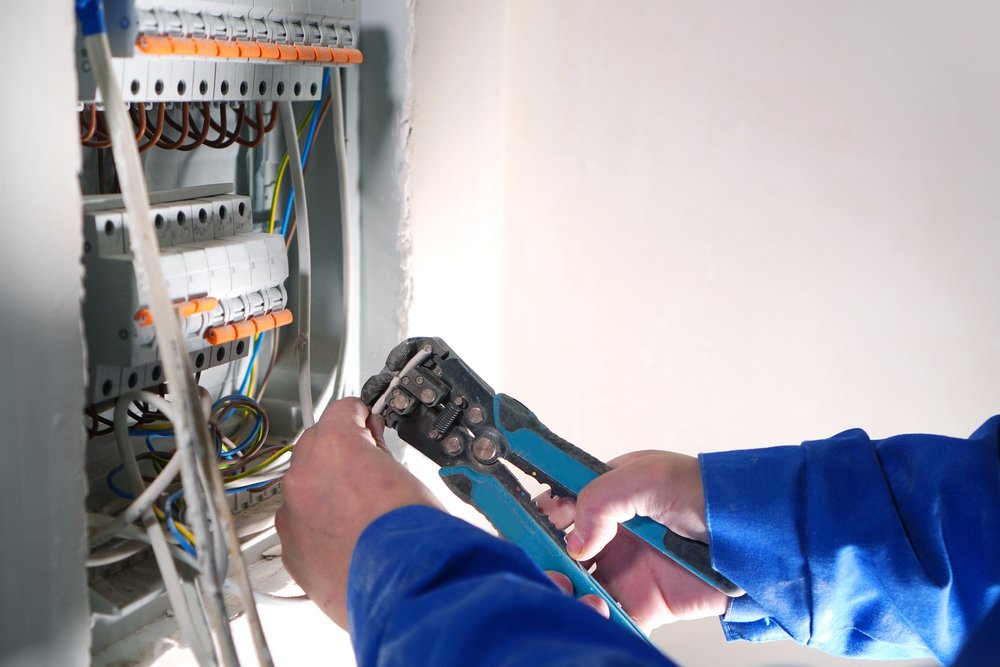
- Hidden infrastructure: Clean wire management following building codes
- Warranty protection: Many manufacturers require professional installation
- Time savings: Days vs. weeks of DIY trial and error
Key Certifications to Look For
CEDIA Certification
Gold standard in residential technology. Levels include Certified Installer (ESC-C), Certified Designer (ESC-D), and Technology Professional (CTP).
HTA Certification
Home Technology Association certification indicates competency in needs analysis, system design, and customer support.
Manufacturer Certifications
Control4, Savant, Lutron, Crestron, and Sonos certifications demonstrate specialized knowledge with specific platforms.
Questions to Ask Potential Installers
How long have you been in business?
Companies with five or more years have built supplier relationships and developed proven processes. They've handled diverse home types and client needs.
Can you provide references from recent projects?
Quality installers share references from similar projects completed within the past year. Contact them about communication, timeline, and problem handling.
Do you have a showroom?
Showrooms let you experience equipment before committing. You can compare speaker quality, test control interfaces, and evaluate displays in person.
What brands do you recommend and why?
Quality installers explain strengths and limitations of different manufacturers, recommending equipment based on your needs rather than profit margins.
How do you handle project management?
Ask about update frequency, primary contact, and how they handle change orders. Quality installers assign dedicated project managers.
What does your warranty cover?
Quality installers typically offer at least one year of labor warranty. Understand what's excluded and clarify service response times.
Red Flags to Watch For
- No references or unwilling to share them
- Pressure to commit before design consultation
- Significantly lower prices than competitors (may indicate cutting corners)
- Vague answers about licensing and insurance
- No written contract or unclear scope of work
Making Your Decision
Get quotes from at least three installers. Compare not just price but scope, equipment quality, warranty terms, and your comfort level with each company. The cheapest option rarely delivers the best value.
Trust your instincts about communication style and responsiveness. You'll work closely with your installer during the project and rely on them for support afterward.