Motorized Shades and Blinds: A Guide for Bay Area Homeowners
Motorized window treatments combine convenience with smart home technology to create automated control over natural light, privacy, and energy efficiency. Bay Area homeowners particularly value motorized shades for managing intense western sun exposure and protecting valuable furnishings from UV damage.
Benefits of Motorized Shades
- Convenience: Control individual windows or entire rooms with a button press or voice command
- Energy efficiency: Reduce heat gain by up to 77% in summer, heat loss by 25% in winter
- UV protection: Block up to 95% of UV rays to protect flooring, artwork, and furniture
- Privacy on schedule: Automate based on time of day, security system status, or location
- Scene integration: Coordinate shades with lighting, temperature, and audio
- Child safety: Eliminate dangling cords that pose strangulation hazards
Types of Motorized Window Treatments
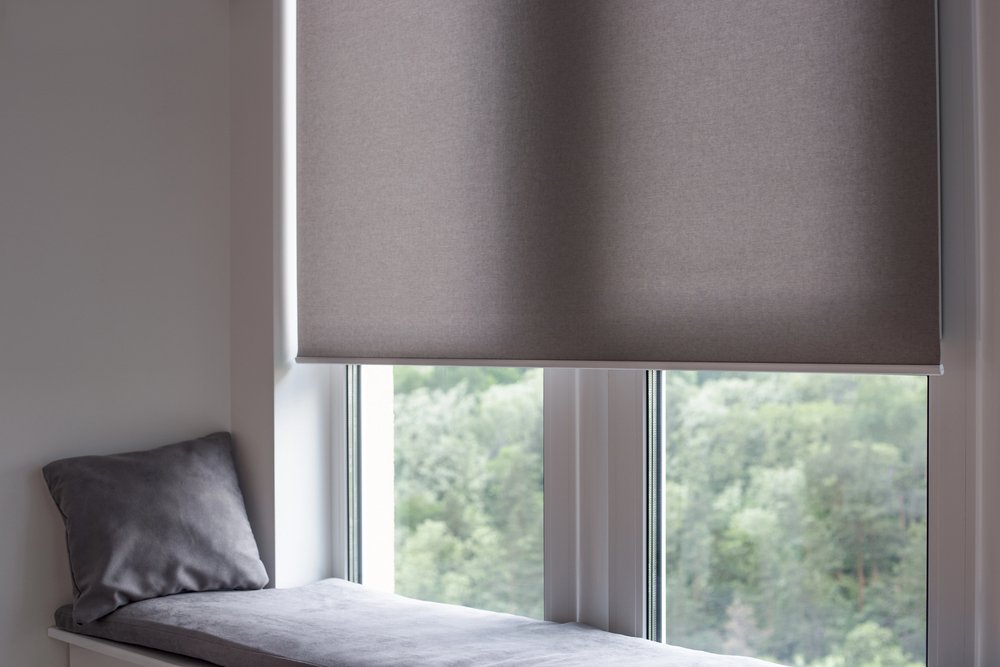
Roller Shades
Single piece of fabric rolling onto a tube motor. Cleanest aesthetic with minimal stacking height. Available from sheer to blackout. Popular for modern interiors.
Roman Shades
Creates horizontal folds when raised for softer, traditional appearance. Available in flat, hobbled, or waterfall fold styles. Motorization handles heavier fabrics easily.
Cellular/Honeycomb
Honeycomb structure traps air for superior insulation. Single, double, or triple-cell options. Effective in Bay Area microclimates with 30-degree temperature swings.
Motorized Drapes
Traditional fabric drapes on motorized tracks. Handles heavier fabrics for superior light control. Ripplefold and pinch-pleat styles available.
Leading Brands
- Lutron: Whisper-quiet Palladiom, Sivoia QS, and battery-powered Serena. Integrates with Control4, Crestron, Savant.
- Hunter Douglas: PowerView system across Silhouette, Duette, Luminette lines. Works with Alexa, Google Home, major automation platforms.
- Somfy: Motors used by many fabricators. Digital motor network for synchronized operation across large window walls.
- QMotion: Battery-powered specialists. Excellent for retrofits without electrical wiring.
Power Options
| Power Type | Best For | Considerations |
|---|---|---|
| Hardwired | New construction, frequent use | Requires electrical work, most reliable |
| Battery | Retrofits, any location | 6 months to 2 years between charges |
| Solar | Windows with good sun exposure | Self-sustaining, works best with lighter shades |
Smart Home Integration
Motorized shades integrate with Control4, Crestron, Savant, and Elan through Z-Wave, Zigbee, RS-485, or IP control. Voice control through Alexa, Google Home, and Siri allows hands-free operation.
Advanced features include geofencing (adjust based on home/away status), astronomical timeclock programming (follows actual sunrise/sunset), and IFTTT triggers based on weather or temperature.
Cost Expectations
Per-Window Costs
- Small bathroom (battery roller): $500-$800
- Large living room (honeycomb or designer): $1,200-$2,000
- Specialty shapes (arches, trapezoids): Add 20-40%
Whole-Home Projects (15-20 windows)
- Basic battery roller shades: $12,000-$18,000
- Hardwired cellular with automation: $25,000-$40,000
Integration Costs
- Control4/Crestron integration: $1,500-$5,000
- Voice control setup: $200-$500
Timeline Expectations
Plan for 6-10 weeks from order to installation for custom motorized shades. Popular fabrics may arrive faster; custom colors or specialty shapes can extend to 12 weeks. Integration programming typically happens after installation, adding one additional week.